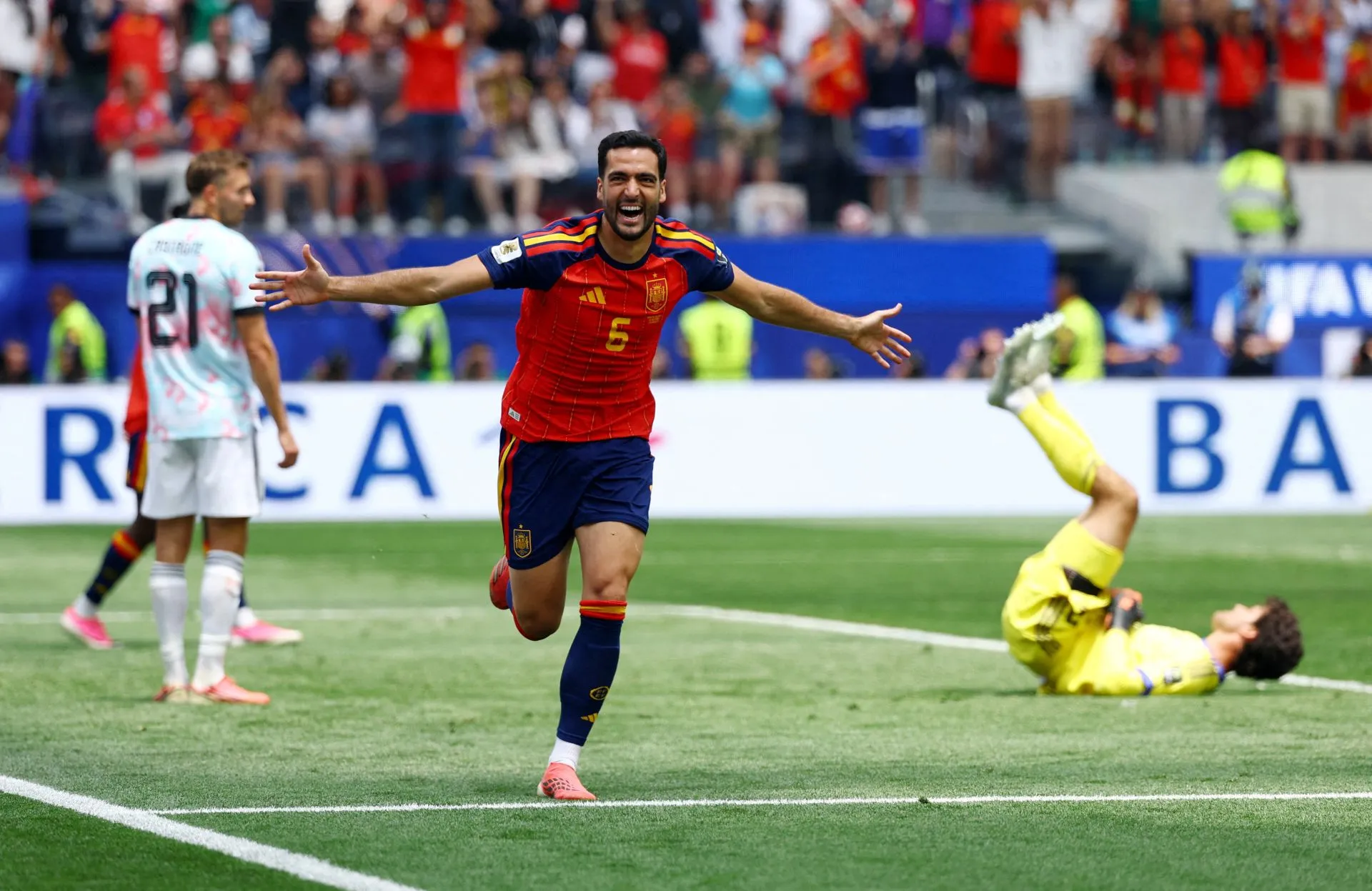
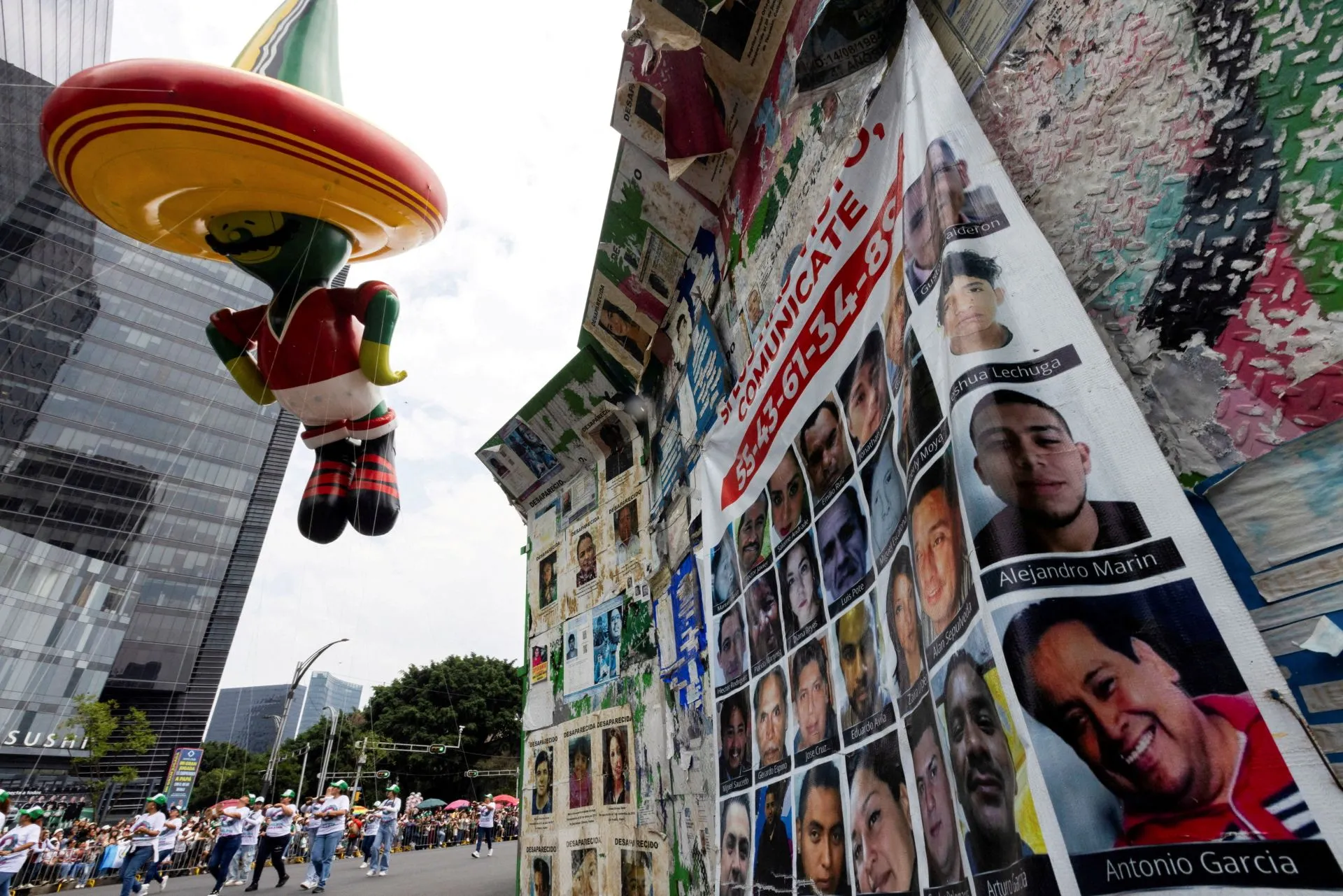
MEXICO CITY, July 4 (Reuters) - Multiple big screens adorn Mexico City's Paseo de Reforma in preparation for Sunday's World Cup last-16 clash between Mexico and England, but among them are reminders of the pain continuing in the background of the tournament.
In between the screens along the city's main thoroughfare are posters for Mexico's more than 135,000 missing people, a figure that has surged since 2006 when then-President Felipe Calderon launched a war against the country's drug cartels.
It has also not been an unusual sight to see Reforma closed in the last few weeks, not just for celebration but for protest, too.
While the World Cup co-hosts celebrate their national team's unbeaten run, reaching the last 16 without conceding a goal, some Mexicans grapple with the dilemma of revelling in patriotic joy while dealing with economic hardship and civil unrest.
"As long as Mexico wins, we all live with that national dopamine rush that allows us to avoid thinking about uncomfortable things, such as the United States' accusations of alleged collusion between Morena (ruling party) politicians and drug trafficking," podcaster and journalist Carlos Mendoza told Reuters.
"But the world doesn't stop: when the World Cup ends ... reality is still there, waiting."
Despite a slowdown in inflation in early June, the country's core inflation rate is still above the Bank of Mexico's permanent target of 3%.
Those struggling with the cost of living were not helped by high ticket prices to attend the finals, also being hosted by the U.S. and Canada, which can run into thousands of dollars.
"One of the biggest offences of this tournament - and not just in Mexico - is that fans can no longer go to the stadium to see their national team. Before, the limitation was getting tickets; now, the limitation is paying for them," Mendoza added.
The joy of Mexico's win over Ecuador in the last 32, their first World Cup knockout-stage victory in 40 years, was also tarnished by the death of four people during the celebrations around Reforma.
You may be interested in
![PUMA ULTRA 5 PLAY FG/AG Adult Spikes Apple Green Grass Football 10768903 [Le Mai.com]](https://d3lmgsai2rsy7d.cloudfront.net/astro-products/2026/05/25/6a1409975b2bf7.52020222-tw-11134207-7rash-m1o0n55dhn2j83)
PUMA ULTRA 5 PLAY FG/AG Adult Spikes Apple Green Grass Football 10768903 [Le Mai.com]
![Nike Men's Vomero 18 Road Running Shoes - White [HM6803-109]](https://d3lmgsai2rsy7d.cloudfront.net/astro-products/2026/05/25/6a140990e354f8.62743914-sg-11134201-820l8-mnfoteyofhu096)
Nike Men's Vomero 18 Road Running Shoes - White [HM6803-109]
![Nike Academy Team (30L) Football Backpack - Black [DV0761-011]](https://d3lmgsai2rsy7d.cloudfront.net/astro-products/2026/07/20/6a5d9bd674e625.29537053-sg-11134201-8259h-mqh22enzryteee)
Nike Academy Team (30L) Football Backpack - Black [DV0761-011]
Luzz pickleball Paddle Pro 4 Tornazo Carbon Fiber Pickleball Paddle - Dual-Layer Core